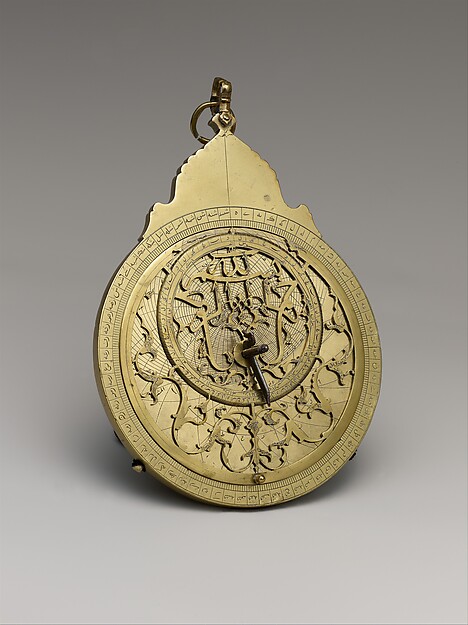
 01
01Reason, revelation, being
Islamic Philosophy
Tawhid, Kalam, Aql, Nafs, Wujud, Necessary Existent, essence and existence, divine attributes, Avicenna, Falsafa, and the problem of reason and revelation.
Philosophy atlas
Use the atlas when a plain index is too flat. It lets a quick lookup turn into a route through concepts, traditions, comparisons, thinkers, and the questions that make them matter.

Readable routes



Reader motions
Open a concept page for the concise answer, definition, examples, misconceptions, FAQ, and sources.
Use comparison pages when two terms sound close but change the argument in different ways.
Use guides when a subject needs order: start point, route steps, pitfalls, and next reads.
Use topic pages when a definition needs a wider field of concepts, questions, and debates.
Use traditions and timeline context to see why a term belongs to a history, not only a dictionary.
Use the search index when a name, school, topic, or distinction appears in another page.
Large routes
01Reason, revelation, being
Tawhid, Kalam, Aql, Nafs, Wujud, Necessary Existent, essence and existence, divine attributes, Avicenna, Falsafa, and the problem of reason and revelation.
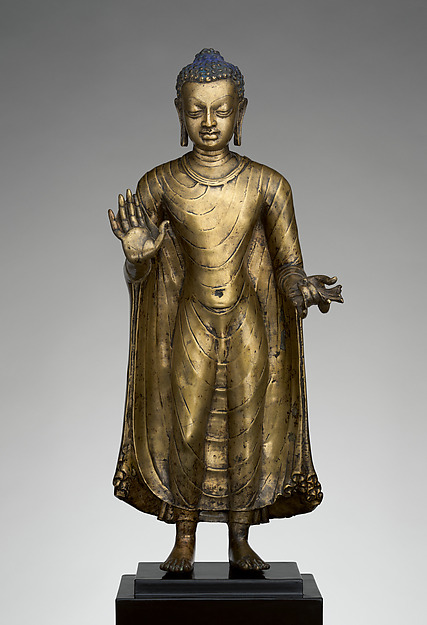 02
02Liberation, self, action
Atman, Brahman, Dharma, Karma, Samsara, Moksha, Dukkha, Anatta, Nirvana, Dependent Origination, Madhyamaka, and Yoga as one route through liberation and reality.
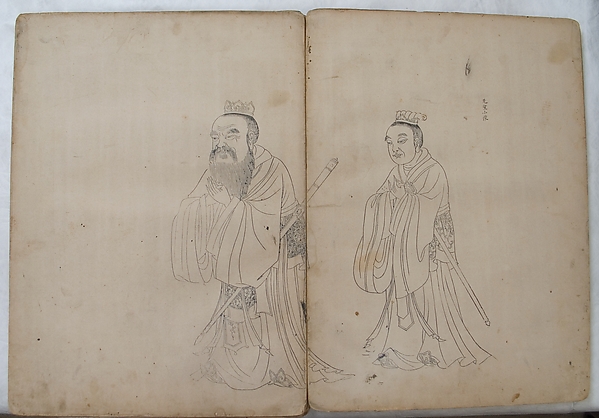 03
03Ethics, order, practice
Confucian cultivation, Daoist attunement, Mohist care, Legalist order, Neo-Confucian metaphysics, and Chinese Buddhism in one connected route.
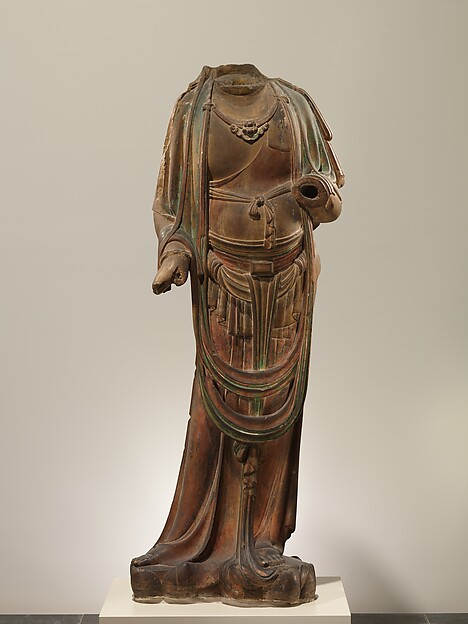 04
04Awakening and practice
Chan, Tiantai, Huayan, Pure Land, Buddha-nature, emptiness, two truths, no-mind, and the practice debates that shape Chinese Buddhist philosophy.
 05
05Power, rights, justice
Justice, liberty, equality, rights, authority, legitimacy, power, ideology, domination, recognition, citizenship, law, obligation, public reason, liberalism, republicanism, technocracy, political liberalism, Rawls, Arendt, Marx, and democratic theory.
 06
06What should be done
Consequences, duties, virtues, care, ritual, formation, and cross-tradition moral vocabulary for reading ethical disagreements carefully.
 07
07Real-world responsibility
AI, data, privacy, medicine, journalism, law, education, housing, energy, work, design, public health, research, engineering, environment, disability, risk, harm, business, and professional responsibility.
 08
08Truth, belief, trust
Knowledge, truth, belief, justification, skepticism, testimony, expertise, empiricism, and rationalism as one reader path.
 09
09Metaphysical structure
Metaphysics, ontology, being, substance, identity, causality, universals, particulars, time, modality, and appearance.
 10
10Freedom and finitude
Existentialism, nihilism, freedom, responsibility, phenomenology, and lived experience without reducing the field to slogans.
Reading shelves
Breadth only helps when a reader can choose a first step. These shelves show whether you are entering by subject, tradition, question, comparison, or thinker.
Subject shelves
Move by philosophical area: ethics, knowledge, metaphysics, existence, language, political order, and cross-tradition study.
Historical lineages
Read Western, Chinese, Indian, Islamic, and global philosophy without flattening them into one vocabulary.
Reader problems
Start from a live problem, then follow definitions, disputes, examples, and comparisons that keep the reading concrete.
Expansion routes
Continue into applied public trust, African and decolonial philosophy, philosophy of mind, language and science, aesthetics, Indian schools, and Islamic theology and law.
Question paths
Begin with knowledge, then test the answer against belief, truth, justification, skepticism, testimony, and expertise.
Read ethics as a set of rival tests: consequences, duties, virtues, care, ritual formation, and moral character.
Use applied ethics to move from moral theory into AI, data, privacy, surveillance, medicine, journalism, law, education, housing, energy, workplace power, design, climate, environmental justice, risk, harm, and professional responsibility.
Move from justice, liberty, equality, and rights into power, authority, legitimacy, domination, ideology, recognition, citizenship, law, obligation, public reason, and civil disobedience.